

Online growth isn’t a luxury; it’s a survival mandate. In 2025, a business’s digital footprint is its primary storefront, networking hub, and sales engine. Key factors driving this necessity include:
Post-Pandemic Permanence: The shift to digital-first consumption is irreversible.
Hyper-Competition: Global markets are accessible, meaning your competition is no longer just local.
AI-Driven Expectations: Customers expect hyper-personalization and instant service, setting a high bar for digital experience.
Evolution of Digital Business
Digital business has evolved from simply having a website to creating a seamless omnichannel experience. The focus is shifting from mass marketing to micro-segmentation, powered by advanced analytics and AI, to anticipate and meet individual customer needs before they’re even explicitly stated — a new era often called Agentic Commerce. Understanding how to grow your business online now requires integrating automation, personalization, and real-time engagement into your digital strategy.
Benefits of Growing Online
The rewards of successful online growth are significant:
-
Global Scalability: Reach an exponentially larger audience without massive physical infrastructure costs.
-
Lower Customer Acquisition Cost (CAC): SEO and content marketing offer a lower long-term CAC than traditional media.
-
Data-Driven Decision Making: Every online action provides measurable data, enabling rapid strategy adjustments and optimization.
Learning how to grow your business online not only increases visibility but also strengthens customer relationships and brand credibility. When executed strategically, knowing how to grow your business online transforms your brand from a local player into a global force.
2. Understanding Your Target Audience: The Foundation
Effective online growth begins and ends with the customer.
Identifying Customer Demographics & Psychographics
Go beyond age and location. Dig deep into:
-
Demographics: Income bracket, education level, family structure, preferred devices.
-
Psychographics: Values (sustainability, convenience, luxury), Interests (hobbies, media consumption), and Lifestyle (work-from-home, frequent traveler).
Understanding these layers is crucial when learning how to grow your business online, as they help tailor your digital strategies to meet real human needs instead of relying on assumptions.
Creating Buyer Personas
Develop 3–5 semi-fictional, data-backed Buyer Personas (e.g., “Tech-Savvy Tina,” “Budget-Conscious Brian”). Each persona should include:
-
A name and photo.
-
Goals and motivations.
-
Online habits (where they spend time).
-
Primary pain points.
These personas serve as the blueprint for your marketing, guiding everything from content tone to ad targeting — a vital step in mastering how to grow your business online with precision and empathy.
Understanding Customer Pain Points
Pain points are the problems your business solves. Classify them into:
-
Financial: Too expensive, hidden costs.
-
Process: Too complicated, too slow, poor service.
-
Support: Lack of help, slow responses, hard-to-find information.
3. Building a Strong Online Presence: The Digital Storefront
Your online presence must be professional, functional, and consistent.
Professional Website Design and UX
Your website must offer an instinctive User Experience (UX). Prioritize:
-
Clear Call-to-Actions (CTAs): Make the desired next step obvious.
-
Logical Navigation: Users should find any page in three clicks or less.
-
Accessibility: Ensure compliance with WCAG standards for all users.
A well-structured website is the foundation of how to grow your business online. It not only attracts visitors but also converts them into loyal customers through clarity, trust, and seamless interaction.
Mobile Optimization and Speed
In India and globally, mobile traffic dominates.
-
Mobile-First Indexing: Google primarily uses your mobile site for ranking. Design for the smallest screen first.
-
Core Web Vitals: Aim for excellent scores in LCP (Loading), FID (Interactivity), and CLS (Visual Stability) to ensure a fast, frustration-free experience.
Speed and mobile usability are crucial elements of how to grow your business online, as they directly influence search rankings and user satisfaction.
Essential Pages (Home, About, Services, Contact)
Each page serves a critical function:
-
Home: Immediate value proposition and clear pathways for different personas.
-
About: Build trust and transparency—share your mission, team, and story.
-
Services/Products: Clear benefits, pricing, and social proof (reviews).
-
Contact: Multiple contact options (form, phone, chat).
A complete and cohesive website structure communicates professionalism and credibility—key ingredients in how to grow your business online effectively.
Brand Consistency Across Digital Channels
The look, feel, and voice of your brand must be identical across your website, social media, email, and paid ads. This builds brand recognition and authority. Maintaining this uniformity strengthens user trust and reinforces every step of how to grow your business online through a consistent and memorable brand experience.
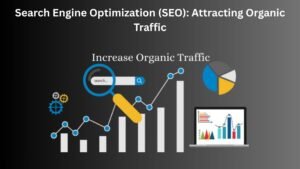
4. Search Engine Optimization (SEO): Attracting Organic Traffic
SEO is the engine of sustainable long-term growth.
On-page SEO Techniques
Optimize individual pages to rank for target keywords.
-
Intent Matching: Ensure your content directly answers the user’s search intent (Informational, Navigational, Transactional).
-
High-Quality Title Tags & Meta Descriptions: Encourage clicks with clarity and value.
-
Semantic SEO: Use related terms and entities to show topic authority to search engines.
Strong on-page SEO is one of the most effective strategies for mastering how to grow your business online, as it aligns your content with both user needs and search engine algorithms.
Off-page SEO (Backlinks, Social Signals)
Build authority outside your site.
-
Quality Backlinks: Earn links from reputable, relevant domain-authority websites—focus on quality over quantity.
-
Unlinked Mentions: Turn mentions of your brand on other sites into valuable backlinks.
Technical SEO
Ensure search engines can crawl, index, and understand your site efficiently.
-
Site Speed: Maintain fast loading times.
-
Structured Data (Schema Markup): Help search engines understand your content (e.g., product reviews, events, FAQs) and qualify for rich results in SERPs.
Local SEO for Regional Businesses
For businesses serving a specific geographic area (e.g., retail, services):
-
Google Business Profile (GBP) Optimization: Your most important local asset—ensure accurate, consistent NAP (Name, Address, Phone), regular updates, and timely review responses.
-
Location-Specific Content: Create blog posts and service pages targeting local long-tail keywords (e.g., “best organic coffee in Pune”).
Effective local SEO bridges your physical and digital presence—an essential part of how to grow your business online in competitive regional markets.
SEO Analytics and Tools
Use Google Search Console (GSC) for technical health and keyword performance, and Google Analytics 4 (GA4) for traffic analysis and behavior flow.
5. Content Marketing: Becoming an Authority
Content is the bridge between your audience’s pain points and your solution.
Blog Posts and Articles
Focus on Help, Hub, and Hero content.
-
Help: Directly answer audience questions (SEO-focused).
-
Hub: Foundational content—pillar pages that link to related topics.
-
Hero: Large, viral, or signature pieces (e.g., “The Ultimate Guide to X”).
Creating consistent, high-value written content is one of the most effective ways to master how to grow your business online, as it boosts visibility, builds trust, and nurtures long-term audience engagement.
Video Marketing (YouTube, Instagram Reels, TikTok)
Video content is essential for top-of-funnel reach and engagement.
-
Short-Form Video (Reels/TikTok): Prioritize immediate value, entertainment, and trendy formats for maximum visibility.
-
Long-Form Video (YouTube): Use for in-depth tutorials, product demonstrations, and establishing expertise.
Infographics and Visual Content
Infographics are highly shareable and effective for communicating complex data quickly. They are also excellent assets for backlink acquisition, strengthening your overall content strategy.
Podcasts and Webinars
-
Podcasts: Excellent for building a loyal, engaged audience and deepening brand trust through long-form, on-demand audio.
-
Webinars: Ideal for lead generation, showcasing product features, and running interactive Q&A sessions.
Content Calendar Creation and Strategy
A well-structured calendar ensures consistency and alignment with business goals. Map content ideas to your Buyer Personas and different stages of the customer journey (Awareness, Consideration, Decision). Strategic planning like this plays a crucial role in understanding how to grow your business online through sustainable, audience-driven content.
6. Social Media Marketing: Engagement and Community
Social media is no longer a broadcast channel; it’s a direct relationship builder.
Choosing the Right Social Media Platforms
Focus resources where your Buyer Personas are most active:
-
Instagram/TikTok: Visual, B2C, trend-driven.
-
LinkedIn: B2B, thought leadership, professional networking.
-
Facebook: Community building, local engagement, older demographics.
Selecting the right platform mix is a foundational step in learning how to grow your business online, ensuring your message reaches the most relevant and engaged audience.
Organic Social Strategies
-
Authenticity and Transparency: Share behind-the-scenes moments, company culture, and real-life product use.
-
UGC (User-Generated Content): Encourage and re-share customer posts for authentic social proof.
Paid Ads and Sponsored Content
Use paid ads to amplify high-performing organic content and target specific audience segments based on demographics, interests, and behavior. Paid campaigns should complement your organic strategy, not replace it.
Community Engagement and Management
Respond to every comment and message promptly. Use social channels for quick customer service to improve satisfaction and loyalty. Active engagement fosters trust and builds long-term relationships.
Influencer Collaborations
Focus on micro-influencers (1k–50k followers) who maintain high engagement rates and genuine relationships with niche audiences. Collaborating with the right influencers strengthens brand credibility and accelerates visibility — both crucial for mastering how to grow your business online effectively.
7. Email Marketing: The High-ROI Channel
Email remains the best channel for nurturing leads and driving repeat business.
Building a Mailing List
Offer high-value lead magnets (e.g., free guides, checklists, exclusive discounts) on your website to incentivize sign-ups.
Designing Newsletters and Campaigns
- Value-Driven: Every email should provide value (tips, exclusive content, early access), not just sales pitches.
- Mobile-Friendly Design: Most emails are opened on mobile devices.
Segmentation and Personalization
The core of effective email marketing.
- Segmentation: Group subscribers based on behavior (e.g., cart abandoners, recent purchasers, blog readers).
- Personalization: Use the customer’s name, but more importantly, tailor the content to their segment’s specific interests.
Automation and Drip Campaigns
Automate essential sequences:
- Welcome Series: Introduce your brand to new subscribers.
- Abandoned Cart: Win back lost sales.
- Post-Purchase Follow-up: Solicit reviews and suggest related products (cross-sell).

8. Paid Advertising (PPC & SEM): Accelerating Growth
Paid ads provide immediate visibility and control over targeting.
Google Ads and Search Campaigns
- High-Intent Keywords: Bid aggressively on terms indicating transactional intent (e.g., “buy [product name] online”).
- Ad Copy Relevance: Ensure your ad copy directly matches the search query and leads to a highly relevant landing page.
Social Media Ads
- A/B Testing: Continuously test different ad creatives (image/video), headlines, and audience segments.
- Lookalike Audiences: Use your current best customer data (email lists) to create lookalike audiences for high-quality prospecting.
Retargeting Campaigns
Show ads to users who have previously visited your site but didn’t convert. This reminds them of your offer and is highly cost-effective.
Cost-Effective Strategies for Small Businesses
- Focus on Niche Long-Tail Keywords: These are cheaper and often have higher conversion rates.
- Small, Highly Targeted Ad Spend: Start with a modest budget on the best-performing channels and only scale what works.
Measuring ROI
Always track the Customer Lifetime Value (CLV) against the Customer Acquisition Cost (CAC) for each campaign to ensure long-term profitability.
9. E-commerce & Online Sales Optimization: Converting Visitors
For e-commerce businesses, the focus is on optimizing the path to purchase.
Creating an Online Store
Choose a platform (Shopify, WooCommerce, etc.) that offers scalability, security, and integration with your other marketing tools.
Product Listing Optimization
- Professional Photography and Video: Product visuals are crucial online.
- Detailed, SEO-Optimized Descriptions: Highlight benefits, not just features.
- Visible Social Proof: Integrate customer reviews and ratings directly on the product page.
Shopping Cart and Checkout Improvements
- Minimize Friction: Offer guest checkout.
- Transparency: Clearly display all costs upfront (shipping, taxes).
- One-Page Checkout: Streamline the process to reduce abandonment.
Upselling, Cross-Selling, and Conversion Optimization
- Cross-Sell: Suggest related products on the product or cart page (“Customers who bought this also bought…”).
- Upsell: Encourage a higher-value purchase before checkout (e.g., “Upgrade to the Premium version”).
10. Analytics & Performance Tracking: The Feedback Loop
Data is the compass for your growth strategy.
Tools for Tracking Online Growth
- Google Analytics 4 (GA4): Focus on event-based tracking for deeper understanding of user journey and conversions.
- Google Search Console (GSC): Monitor your organic search health, clicks, and impression data.
- CRM (Customer Relationship Management): HubSpot, Zoho, or Salesforce to track leads, sales pipelines, and CLV.
Measuring Traffic, Engagement, Conversions
Establish clear Key Performance Indicators (KPIs):
- Traffic: Unique Visitors, Traffic Sources.
- Engagement: Time on Page, Bounce Rate, Scroll Depth.
- Conversions: Conversion Rate, Revenue per Visitor, Lead-to-Customer Rate.
Adjusting Strategies Based on Data
Implement an “Iterate-and-Test” culture. For example:
- If Bounce Rate is high on a landing page, adjust the headline and above-the-fold content.
- If Conversion Rate is low, run A/B tests on your CTA button color or copy.
11.Customer Relationship & Engagement: Retention is the New Acquisitio
Keeping a customer is significantly cheaper than acquiring a new one. Understanding how to grow your business online begins with strengthening relationships, not just expanding reach.
Building Trust Through Online Reviews
Actively solicit reviews on Google, Yelp, and product pages. Respond to all reviews—both positive and negative—to show you’re listening and committed to service. Genuine engagement is a cornerstone of how to grow your business online through credibility and customer trust.
Personalized Communication
Use the data from your CRM to send personalized messages and offers, celebrating milestones like the anniversary of their first purchase. Personalization fosters loyalty and emotional connection—an essential part of how to grow your business online sustainably.
Chatbots and AI Support
Implement an AI-powered chatbot for instant, 24/7 answers to common questions, escalating complex issues to human agents. This improves customer satisfaction, reduces support costs, and streamlines how to grow your business online with automation and efficiency.
Retaining Loyal Customers
Establish a Loyalty Program or VIP tier that offers exclusive access, discounts, or early product releases. Retention-driven marketing is one of the most cost-effective approaches to mastering how to grow your business online, keeping customers engaged long after their first purchase.
12. Leveraging Emerging Technologies: Future-Proofing for 2025
Stay ahead of the curve by integrating transformative technologies. Understanding how to grow your business online in 2025 means embracing innovation and aligning it with evolving customer expectations.
AI Tools for Marketing and Automation
-
Generative AI: Use tools like ChatGPT or Gemini for content brainstorming, personalized ad copy, and email subject lines.
-
Predictive Analytics: Forecast customer behavior, identify churn risks, and automate dynamic pricing.
These technologies redefine how to grow your business online by enabling smarter, faster, and more personalized marketing.
AR/VR Experiences for Engagement
-
Augmented Reality (AR) Try-Ons: Essential for e-commerce—let customers “try on” products or visualize furniture in their space using their phone camera.
-
Virtual Showrooms: Offer immersive 3D shopping experiences, especially valuable for B2B or high-value products.
AR and VR are revolutionizing how to grow your business online, bridging physical and digital experiences seamlessly.
Voice Search and Smart Devices
Optimize your content for natural, conversational queries to capture traffic from voice assistants (e.g., “Siri, what’s the best local yoga studio?”).
Trends to Watch for 2025 and Beyond
-
Decentralized Web (Web3): Blockchain, tokenization, and decentralized identity will redefine customer data ownership.
-
Video Commerce and Live Stream Shopping: Allowing direct product links during live sessions is reshaping how to grow your business online by turning engagement into instant sales.
13. Case Studies & Examples: Learning from Success
Successful Online Businesses (Global and Indian Brands)
-
Zomato (India): Excels in hyperlocal marketing and data-driven personalization.
-
CRED (India): Built a high-value fintech community through exclusivity and creative campaigns.
-
Myntra (India): Uses AI-driven personalization to reduce friction and returns.
These brands exemplify how to grow your business online through innovation, trust, and customer-first strategies.
Lessons from Startups
-
Speed to Market: Prioritize your Minimum Viable Product (MVP) and iterate quickly.
-
Community First: Build a loyal audience before scaling mass marketing.
Strategies that Worked
The most successful strategies are Integrated and Data-Led—unifying SEO, content, social, and email into one personalized ecosystem. This holistic approach defines how to grow your business online in a competitive digital landscape.
14. Common Mistakes to Avoid: Pitfalls to Sidestep
Protect your growth by avoiding these critical errors.
-
Neglecting Mobile Optimization: A clunky mobile site drives customers away instantly.
-
Ignoring Analytics: Continuous data analysis is non-negotiable.
-
Inconsistent Branding: Shifting tones across platforms dilutes authority.
-
Poor Customer Communication: Slow or impersonal replies quickly erode trust.
Each of these missteps undermines how to grow your business online, making consistency, analysis, and communication your best defenses.
15. Conclusion: Actionable Steps and Future Outlook
Summary of Growth Strategies
Sustainable online growth in 2025 depends on four pillars: Audience Understanding, Content Authority, Technical Excellence, and Data-Driven Personalization.
Actionable Steps for Businesses
-
Audit Your Foundation: Run a full SEO and mobile speed audit.
-
Refine Personas: Update Buyer Personas with AI comfort and AR interest.
-
Choose Your AI Tool: Integrate at least one automation or content-generation platform.
-
Prioritize Video: Build a consistent short-form video strategy.
Future Outlook of Online Business Growth
The future of digital commerce lies in immersive, intelligent experiences. Generative AI and Spatial Computing will redefine how to grow your business online, blending convenience with creativity. Businesses that adapt now will not only stay competitive—but lead.
Author: sadha